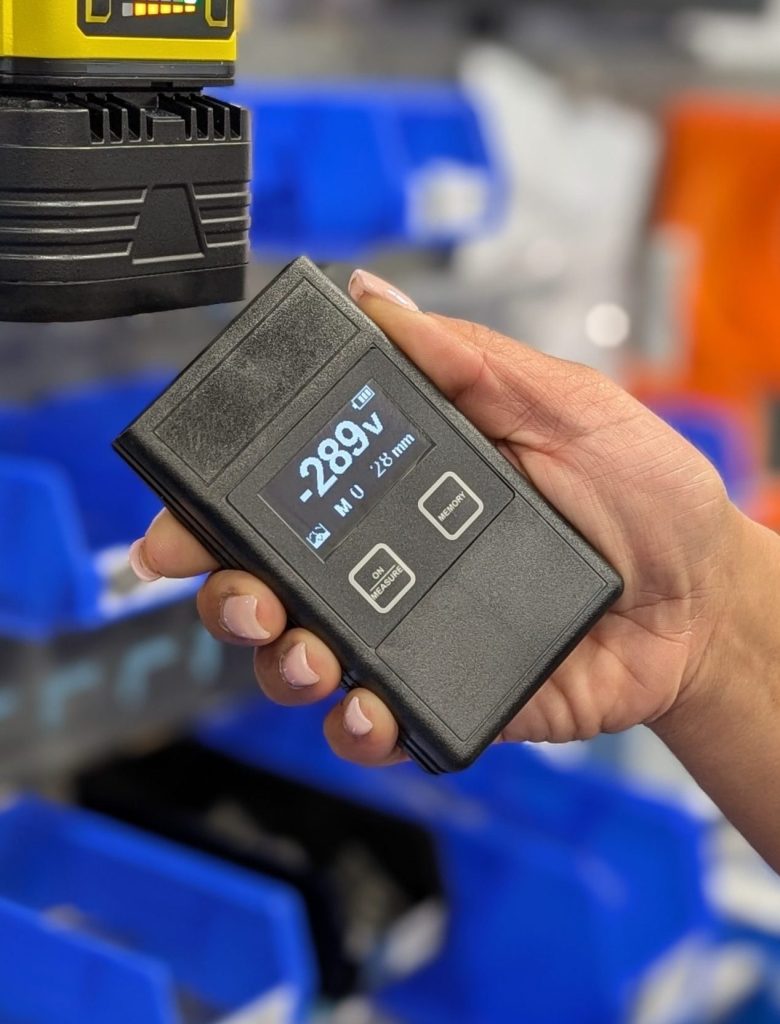
Electrostatic discharge(ESD) remains one of the most common causes of product failure across electronics manufacturing, aerospace, defense, medical devices, and semiconductor environments. An effective ESD control program relies on precise measurement tools—resistance probes, electrostatic meters, and ESD simulators—that work together to verify, monitor, and simulate real-world electrostatic conditions. This guide breaks down how each piece […]
When it comes to ESD controlled environments in the United States, whether electronics manufacturing plants, cleanrooms, or R&D labs, investing in the right Electrostatic Field Meter (EFM) can make the difference between reliable operations and costly failures. This post outlines the critical specs to consider, typical use cases, and common mistakes labs make when selecting […]
Electrostatic probes play a vital role in modern Electrostatic Discharge (ESD) testing laboratories across the United States. As industries like semiconductor manufacturing, electronics assembly, aerospace, automotive electronics, and cleanroom environments continue to adopt miniaturized and sensitive electronic components, the need for accurate static and charge control has become more critical than ever. These precision instruments […]
Accurately measuring high voltages is crucial in a variety of industries, including electronics and aerospace, materials research, and electrostatics. The difficulty is in capturing extremely high voltages without overloading the circuit, producing errors, or jeopardizing operator safety. This is when Electrostatic Voltmeters (ESVs) come in handy. Electrostatic Voltmeters are extremely sensitive instruments developed for non-contact, […]
ESD control is not just a best practice, but also a must in the high-precision world of cleanroom operations and semiconductor production. The reliability, accuracy, and safety of delicate electronic parts and procedures are guaranteed by electrostatic probes, which are essential to static testing. With the help of Electro-Tech Systems (ETS), a leader in the […]
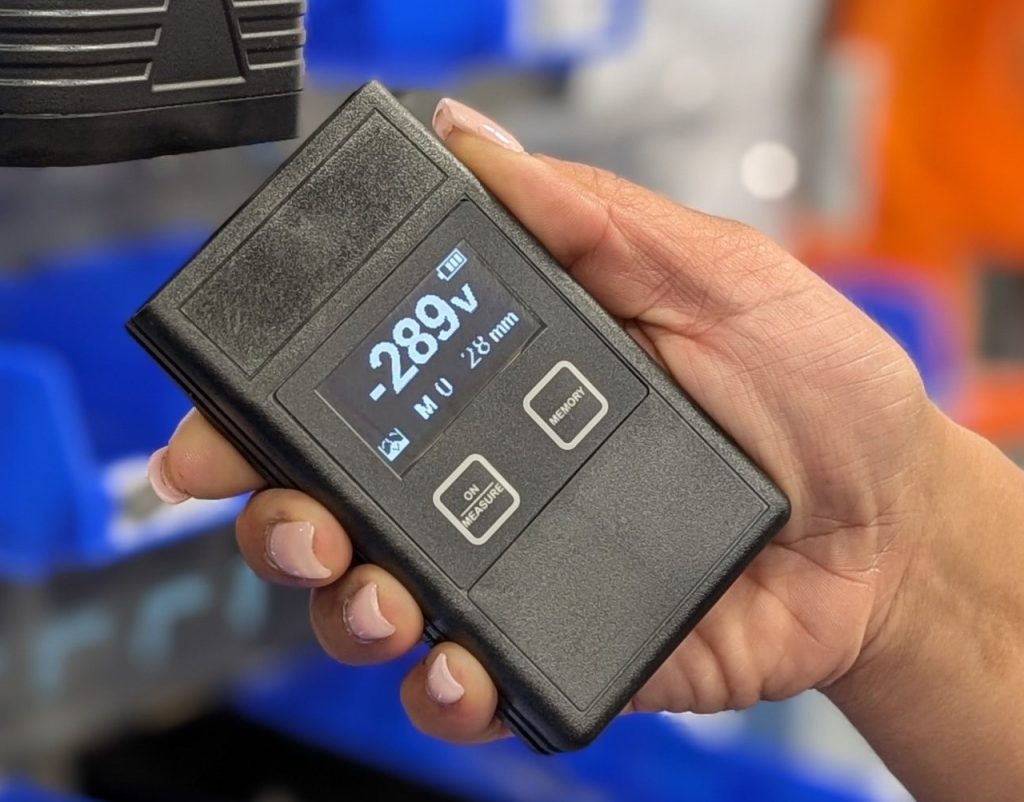
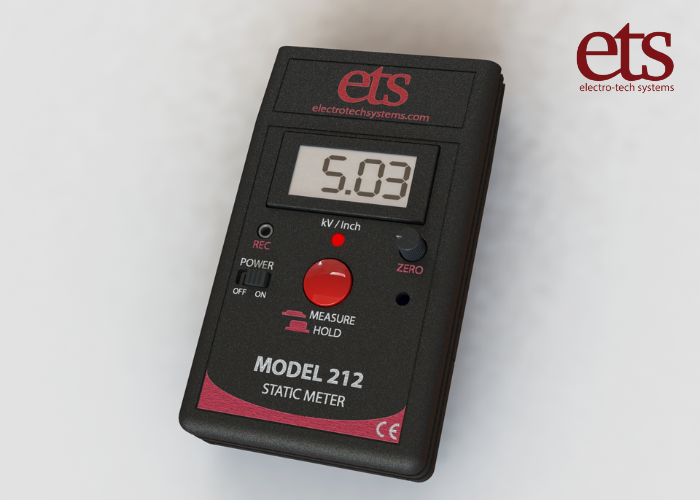
An electrostatic field meter is a specialized instrument designed to measure static electricity (electric fields) present on surfaces, materials, and in the surrounding environment. These meters provide real-time data, helping lab technicians identify problem areas, implement corrective actions, and ensure equipment is safe from electrostatic damage. Electrostatic field meters are non-contact, which means they detect […]